

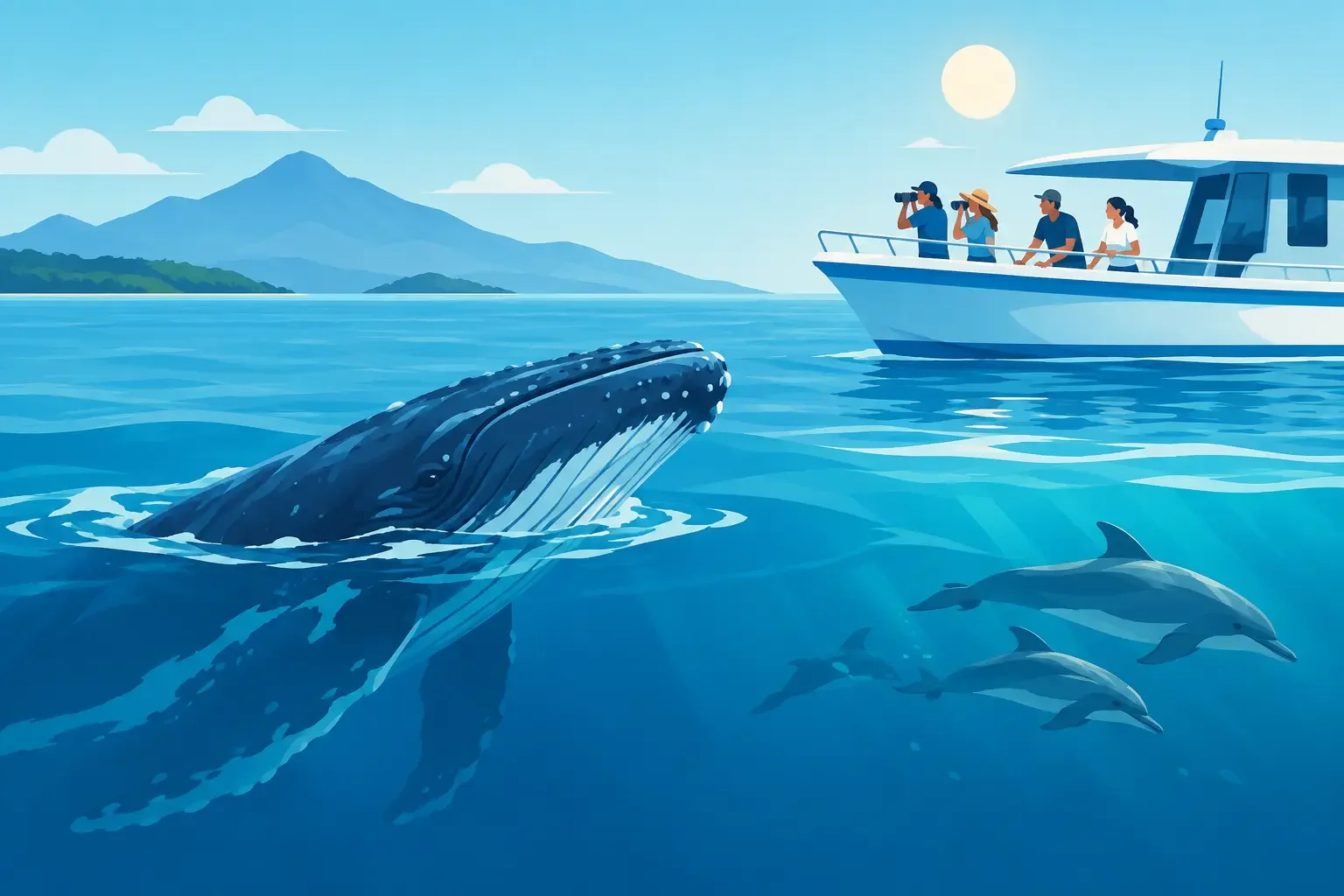
Ocean Wildlife Tours in Avila Beach
The best ocean wildlife tours do not feel like a sightseeing checklist. They feel like a real morning or afternoon on the water: salt spray in the air, sea lions barking from the rocks, a captain slowing the boat when a whale blows in the distance, and a coastline that looks completely different from offshore. That kind of trip is equal parts excitement, timing, vessel choice, and respect for the animals that make the experience possible.
Along California’s Central Coast, the ocean can change quickly from glassy and calm to lively and wind-blown. Wildlife moves with the seasons, baitfish, currents, and water temperature. There is no honest way to promise a particular animal on every outing. But choosing the right tour and coming prepared can give you a much better chance of having the close, memorable marine experience you came for.
What Makes Ocean Wildlife Tours Worth Taking
A great wildlife tour puts you in the right habitat without turning the animals into a spectacle. From Port San Luis, the nearshore waters, rocky points, kelp beds, and offshore feeding areas create a natural stage for sightings that can include California sea lions, harbor seals, sea otters, dolphins, pelicans, cormorants, and seasonal whales.
The difference between viewing wildlife from shore and seeing it from a boat is perspective. Sea lions loafing on a buoy become a noisy, social colony. A pelican diving from above becomes a blur of wings and water. When dolphins decide to ride alongside the boat, you understand their speed in a way no beach overlook can deliver.
That access matters, but so does the way it is delivered. Small-group trips tend to feel more personal because there is room to ask questions, shift position for a better view, and enjoy the coast without competing with dozens of other passengers for rail space. A smaller boat can also often work closer to protected coves, sea caves, and shoreline features where appropriate conditions and responsible operating practices allow.
Pick the Tour That Fits Your Day
Not every boat outing is designed for the same traveler. If your priority is whale watching, a dedicated seasonal trip is usually the smartest choice. These outings are planned around the species and conditions most likely to produce meaningful whale encounters, rather than treating whales as an add-on to a general harbor cruise.
If you want variety, a coastal wildlife and harbor adventure can be a better fit. These tours may combine marine mammals, birdlife, dramatic cliffs, working harbor scenes, and geological landmarks. They are especially good for families and first-time visitors who want an active introduction to the coast rather than a single-species search.
Private charters offer another option for couples, families, and small groups who want the boat to themselves. The trade-off is cost: private time on the water is a premium experience. In return, you may have more flexibility to focus on photography, celebrate an occasion, linger near a favorite stretch of coastline, or simply enjoy a quieter outing with your own group.
Vessel size is worth considering, too. Larger boats can be a sensible choice for travelers who prefer more onboard amenities or feel most comfortable on a substantial passenger vessel. Smaller rigid-hull inflatable boats, often called RHIBs or Zodiacs, trade some of those creature comforts for speed, maneuverability, and a closer-to-the-water ride. They are not the best match for everyone, but for guests seeking a high-adventure experience, they can make the coastline feel immediate and alive.
Timing Is Part of the Experience
Wildlife is wild. A captain can read conditions, choose productive areas, and use years of local knowledge, but the ocean does not follow a script. The most rewarding guests arrive with curiosity instead of a demand for guaranteed sightings.
Seasonality still plays a major role. Whale activity along the Central Coast changes throughout the year as different species migrate and feed. Dolphins, sea lions, seabirds, and other residents may be seen across many seasons, while the exact mix can vary from one month to the next. Ask what has been active recently, then choose a trip that matches what you most hope to see.
Time of day can matter as well. Morning conditions are often calmer before afternoon winds build, which can make for a smoother ride and cleaner photos. That is not a rule carved in stone. Afternoon light can be beautiful, and wildlife may be active whenever food is present. If motion sensitivity is a concern, an earlier departure is often a practical place to start.
Weather calls are not disappointments when safety is involved. They are evidence that your operator is making good decisions. Wind, swell, fog, and changing marine conditions all affect where a boat can travel comfortably and responsibly. The best day on the water is not necessarily the one that goes farthest offshore. It is the one that puts guests in the right place for the conditions.
Get Ready for the Ride, Not Just the Photos
A coastal boat trip can be sunny, breezy, cool, and splashy within the same hour. Dress in layers and bring a wind-resistant outer layer even if the parking lot feels warm. Closed-toe shoes with good grip are a smart choice for an active boat. Sunglasses, sunscreen, and a hat that will stay put are equally useful.
If you are prone to motion sickness, plan ahead rather than waiting to see how you feel. Talk with a medical professional or pharmacist about options that are appropriate for you, eat a light meal, stay hydrated, and keep your eyes on the horizon when the boat is moving. Fresh air helps. So does choosing a seat where you feel stable and communicating with the crew early.
Bring a camera if you want one, but do not spend the whole trip staring through a screen. Wildlife encounters are unpredictable. A whale may surface once, then appear in a completely different direction. Take a few photos, then put the camera down and watch. The sound of a whale exhaling or dolphins cutting through the water tends to stay with you longer than another hundred nearly identical images.
Wildlife Etiquette Makes Better Sightings
The most exciting encounters are usually the ones where the animals choose the moment. Responsible captains keep appropriate distance, avoid cutting off an animal’s path, and do not chase wildlife for a closer shot. That gives sea lions, dolphins, whales, and seabirds room to behave naturally.
Guests have a role, too. Keep voices reasonable when wildlife is nearby, secure loose belongings, and follow crew instructions quickly. Never toss food into the water or attempt to touch an animal. Feeding changes natural behavior, and even animals that look playful are still wild, powerful, and deserving of space.
This approach can require patience. You may watch from a respectful distance rather than pulling right alongside a whale or crowding a haul-out. But that distance is part of what keeps the encounter genuine. A calm animal traveling, feeding, resting, or playing on its own terms is far more meaningful than a stressed one reacting to a boat.
Why Small Groups Change the Day
On a six-passenger boat, the experience naturally becomes more connected. You can hear the guide without a loudspeaker, ask about a bird circling overhead, and move more easily to see what is happening on either side of the vessel. For children who meet age and safety requirements, that sense of involvement can turn a boat ride into the story they repeat for the rest of the vacation.
Small groups also allow a captain to adapt. If dolphins appear near the harbor entrance, there is time to appreciate them. If conditions are especially good along a rocky stretch of coast, the route can reflect that opportunity. With SLO Tours, the 28-foot Whale Express is built for this kind of fast, stable, close-to-the-water adventure, giving guests access to coastal features that larger sightseeing boats may not approach as closely.
There is a trade-off. Smaller, more adventurous vessels may have stricter age, mobility, health, or weather limitations than a large passenger boat. Be honest about your comfort level, especially if you have back concerns, are pregnant, or have difficulty stepping onto and moving around on a boat. The right operator will explain what the ride is like before you book.
Make the Coast the Main Event
The finest ocean wildlife tours leave room for surprise. You may come hoping for whales and remember a curious sea otter. You may book for the dolphins and end up talking about the sea cave, the coastline, or the moment the entire group went quiet while a whale surfaced nearby.
Choose a crew that knows the water, dress for changing conditions, and bring a flexible mindset. The ocean does the rest, one unexpected sighting at a time.

Ash Scatterings at Sea in Pismo Beach, California
The moment a boat slows beyond the harbor is often the moment a family can finally breathe. An ash scattering ceremony example is not meant to turn a goodbye into a performance. It gives everyone a gentle structure: a place to stand, a few words to share, and enough quiet for the water, coastline, and memory of the person being honored to do their part.
A ceremony at sea can be as simple as a few close relatives, a favorite song played softly, and a shared moment at the rail. It can also include readings, stories, prayer, or a more formal tribute. What matters is choosing elements that feel true to the person you love and leaving room for the unscripted emotions that may arrive once you are offshore.
What Makes an Ash Scattering Ceremony Feel Personal
The best ceremonies are usually not the longest ones. They are specific. Instead of trying to capture an entire life in one speech, choose a few details that bring that person immediately to mind: their laugh, a phrase they always used, their love of the ocean, or the way they made people feel welcome.
Before the trip, decide who would like to speak and who would prefer a quieter role. One person may read a poem while another carries the urn. Someone who does not want to speak may choose the music, hold a photograph, or simply stand beside a family member. Giving people options takes pressure off a day that can be emotionally demanding.
A small-group boat charter has an advantage here. With only your family and closest friends aboard, there is no need to rush through the moment or share it with a crowd of strangers. The ceremony can unfold at a pace that feels comfortable, with the captain handling navigation, positioning, and the practical details on the water.
A Simple Ash Scattering Ceremony Example
This example is designed for a family gathering at sea and takes about 15 to 25 minutes. Adjust the language, readings, and order to suit your family, faith, and the wishes your loved one shared during life.
Gathering and opening words
Once the boat has reached a suitable offshore location and the captain has positioned it for the conditions, invite everyone to gather together. The person leading can say:
We are here to honor the life of [Name]. We have come to this place because the ocean, the coast, and time together mattered to them. Today, we carry their memory with us, surrounded by the beauty and movement of the water they loved.
Pause. Let the group look out at the horizon. On the Central Coast, that quiet can be especially powerful: rolling swells, seabirds crossing overhead, and a shoreline that grows softer in the distance.
A memory or reading
Ask one or two people to share a brief memory. Short is often stronger than polished. A grandchild might tell a funny story. A sibling might describe a childhood tradition. A partner might read a letter written for the occasion.
If no one feels ready to speak, a reading can create a meaningful pause without asking anyone to find words in the moment. You might choose a favorite song lyric, a passage from a faith tradition, or a few lines from a poem that reminds the family of the person being remembered.
The leader may then say:
We remember [Name] not only for the years they lived, but for the love they gave, the stories they leave with us, and the ways they will continue to shape our lives.
The scattering
Before releasing the ashes, the captain should explain where to stand and how to move safely around the vessel. Wind direction matters. Ashes should be released with care, following the captain's guidance, so the moment stays respectful and comfortable for everyone aboard.
The leader can say:
With love, gratitude, and sadness, we return these ashes to the sea. May this place hold our memories, and may we carry [Name] with us wherever we go.
Then allow the family to release the ashes together, or invite individuals to take a turn if that feels right. Some families prefer one person to do this. Others find comfort in each person placing a small amount into the water. There is no correct choice. The right approach is the one that feels manageable and meaningful for the people present.
Afterward, keep silence for a minute or two. You may play a favorite song, ring a small bell, or simply listen to the water. The leader can close with:
Thank you, [Name], for the life we shared with you. We love you. We remember you. We carry you forward.
How to Adapt the Ceremony for Your Family
A scripted ceremony is a starting point, not a requirement. Families with a religious tradition may add a prayer, blessing, or hymn. A family that values humor may include a lighthearted story because that is exactly what their loved one would have wanted. For a veteran, a service-related reading or a moment of salute may feel appropriate. For someone who lived for surf, fishing, or coastal adventure, the location itself may say more than any formal language could.
Consider the age and needs of everyone attending. Children often benefit from a clear, simple explanation of what will happen. Give them an optional role, such as choosing a song or sharing one thing they loved about the person. No one should feel obligated to speak, release ashes, or remain at the rail during the ceremony.
Music is another personal choice, but it works best when kept brief. One song played before or after the scattering can set the tone without making the ceremony feel overly scheduled. Be mindful that wind, engine noise, and open water can affect sound, so a reading should be spoken slowly and clearly.
Practical Details for a Ceremony at Sea
A little planning lets the family focus on the farewell rather than logistics. Wear layers, closed-toe shoes with good grip, and a jacket even on a sunny day. The coast can feel cooler on the water, and conditions may change quickly. If anyone is prone to motion sickness, address that before departure.
Keep the urn or container secure until the captain says it is time. A temporary scattering tube can make the release easier, though it depends on the family's preference and the wind conditions. Avoid bringing plastic flowers, balloons, ribbon, or other items that could become marine debris. The ocean should be honored as carefully as the person being remembered.
For ocean scattering in U.S. waters, federal requirements generally call for travel at least three nautical miles offshore and notification to the Environmental Protection Agency within 30 days. A professional ash scattering charter can help explain the process and manage the route, timing, and vessel safety so your group can remain present for the ceremony itself.
Weather is part of the decision, too. A bright, calm morning can be ideal, but a dramatic overcast day may feel just as fitting for some families. Conditions can require a reschedule, especially when wind or sea state would make the trip uncomfortable. Flexibility is not a failure of the plan. It is part of holding a safe and respectful gathering at sea.
Leave Space for the Ride Home
The ceremony does not have to end the instant the ashes touch the water. Many families appreciate a few quiet minutes offshore before returning to port. That transition gives people time to hold hands, take in the view, or share the stories that did not fit into the formal words.
Since 2009, Pismo Beach Whale Watching has helped families experience the Central Coast from a more personal vantage point aboard a small, capable vessel. For a farewell at sea, that intimacy matters. The ocean will keep moving after the ceremony, but the care taken in that one shared moment can stay with a family for years.

Private Whale Watching Tours
Private Whale Watching
Whale watching with SLO Tours is a fast-paced, small-group adventure departing from Port San Luis (Harford Pier) in Avila Beach. Since 2009, SLO Tours has specialized in getting guests quickly to the rich feeding waters off Avila Beach and Pismo Beach, maximizing time spent searching for whales instead of cruising to the viewing area.
Aboard the Whale Express, you'll experience an intimate tour with a maximum of six passengers. The enclosed cabin offers protection from the wind while still providing excellent panoramic views, making the trip comfortable for families, photographers, and wildlife enthusiasts alike.
Private charter for up to 6 passengers is $600
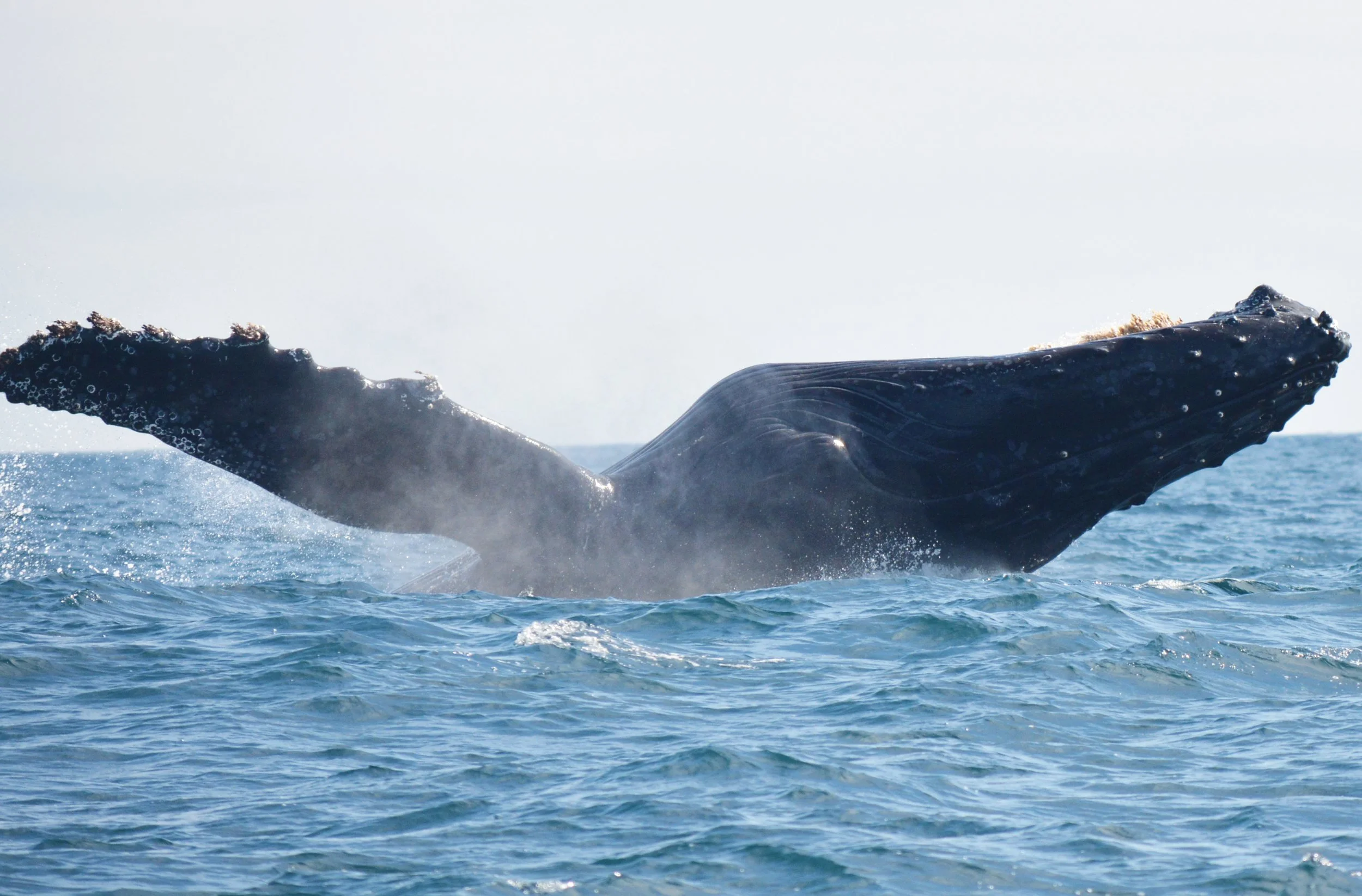
World Famous Whale Watching
Guests also consistently recommend SLO TOURS online for its fun captains, thrilling rides, and unforgettable wildlife encounters. One local Reddit user even called it “the best” for whale watching out of Port San Luis.
Whether you want a relaxing coastal cruise, a high-speed ocean adventure, or your first up-close whale encounter, SLO TOURS Whale Express delivers a true Central Coast experience you’ll remember long after you return to shore.

Why Choose Pismo Beach Whale Watching?
Choose Pismo Beach Whale Watching by SLO TOURS for an unforgettable Central Coast ocean adventure built around excitement, comfort, and real wildlife encounters. Since 2009, SLO TOURS has been taking guests out on the waters of Avila Beach and Pismo Beach aboard the fast and stable “Whale Express” Zodiac RHIB.
Here’s why families, locals, and visitors love the experience:
Fast, exciting Zodiac-style adventures with smooth handling and close-to-the-water views
Warm, dry enclosed cabin seating for comfort in all conditions
Opportunities to see humpback whales, gray whales, dolphins, otters, sea lions, and more
Incredible scenery including sea caves, lighthouse views, and rugged coastline
Small-group style experience that feels personal and adventurous
Family-friendly tours designed for all ages
One of the best whale watching regions on California’s Central Coast, especially May–November for humpbacks
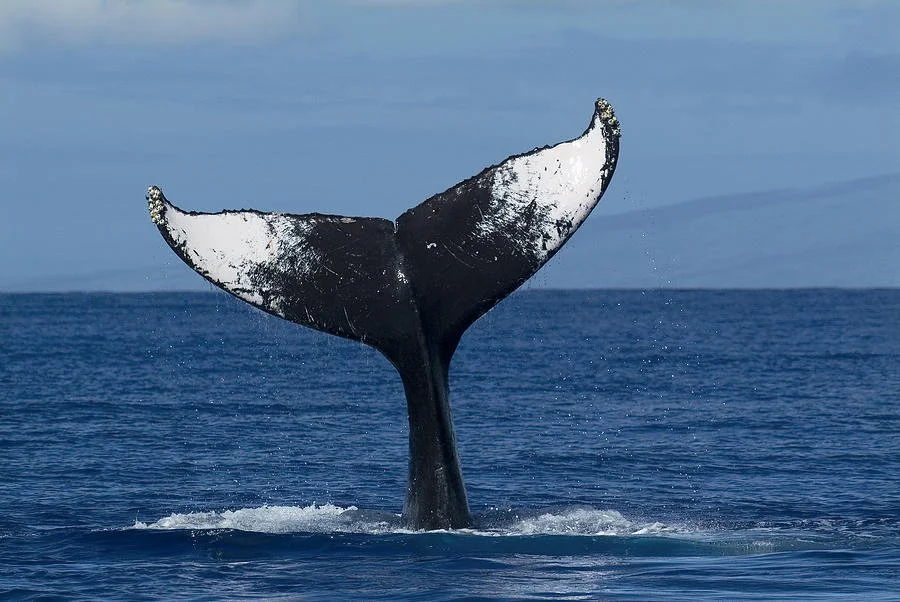
Pismo Beach Whale Watching
🌊 Best of Pismo Beach with Pismo Beach Whale Express
🚤 The Main Event: Whale Express Adventure
The Whale Express is not your typical slow cruise—it’s a fast, military-grade Zodiac RHIB that gets you right into the action.
Small group = more personal experience
Fast + agile = closer wildlife encounters
Expect whales, dolphins, sea lions, otters
Tours run along the rugged San Luis Obispo coastline since 2009
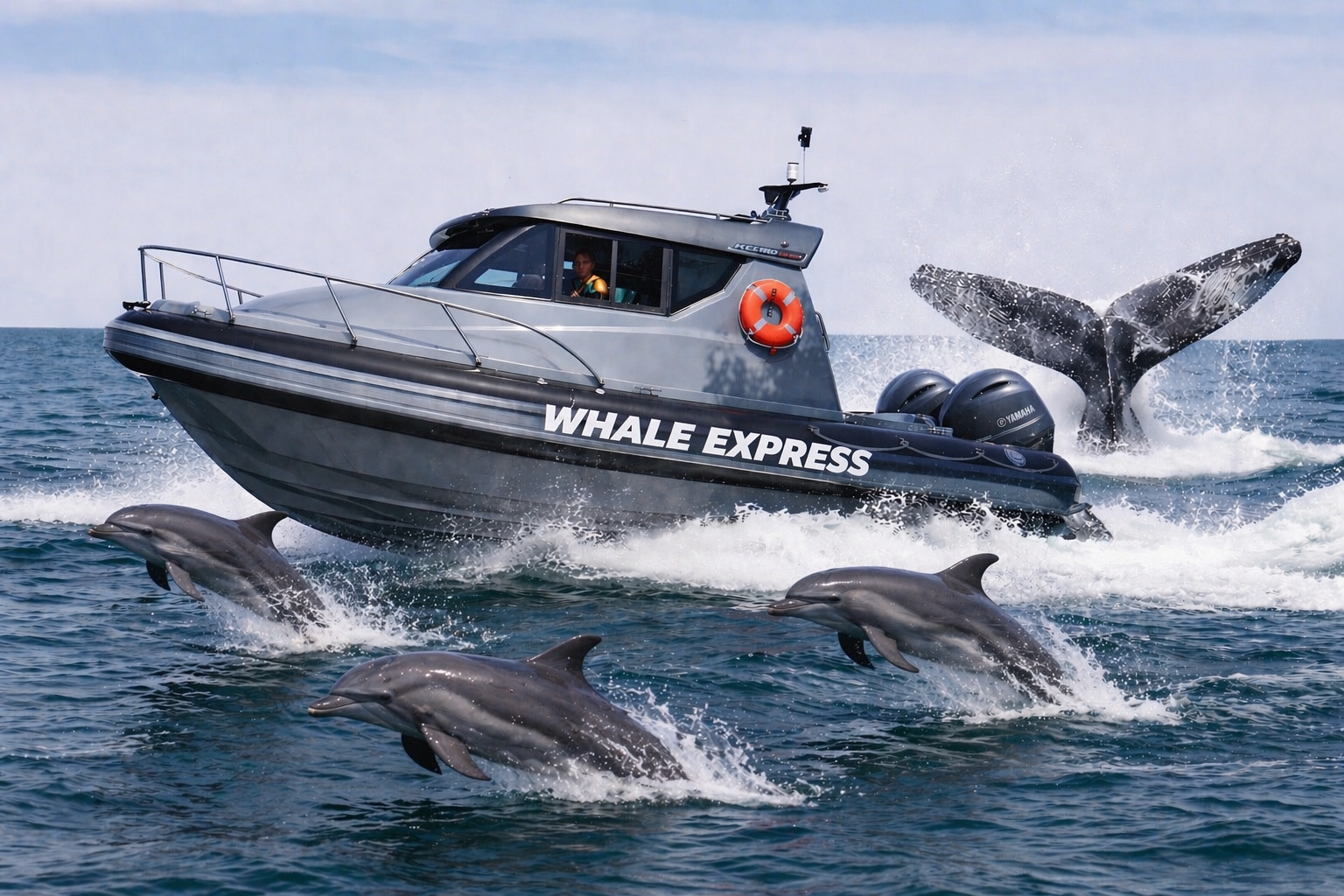
Pismo Beach Whale Express
Family adventure for all ages—SLO TOURS runs fast, fun excursions on military-grade Zodiac boats built for safety and stability.

Whale Watching Near Pismo Beach
Here at Pismo Beach Whale Watching, we proudly offer some of the best and most unforgettable tours in all of California. During the sunny summer and vibrant fall months, our whales seem extra friendly, often putting on delightful shows just for our guests.

Whales of Avila Beach
Whales of Avila Beach: Join us for an unforgettable, awe-inspiring close-up whale watching tour as we venture into their magnificent natural ocean home, where giants glide gracefully beneath the waves.

Get Your Whale Watching Tickets Now
Buy your tickets now for Pismo Beach Whale Watching, the ultimate experience along California’s stunning Central Coast. Available from July through September, these months offer the very best chance to witness majestic whales in their natural habitat. Don’t miss out on this unforgettable adventure!

Best Whale Watching Tour in San Luis Obispo Bay
As the first whale watching tour company in Pismo Beach, California, we've practically written the book on spotting these majestic giants. San Luis Obispo Bay is a veritable underwater party packed with whales, dolphins, seals, and all kinds of finned friends, and trust us — we’ve seen it all, from breaching humpbacks to playful pods of dolphins showing off their best flips. We don’t just love being out on the water; we live for those moments when a whale’s tail slaps the surface and the crowd goes wild. Join us for an unforgettable splash of wildlife magic in one of the richest marine habitats on the coast!

Whale Watching Ocean Safaris in Avila Beach / Pismo Beach
Ahoy, adventure seekers!
Looking for an ocean safari? Look no further! Come aboard Pismo Beach Whale Watching, the top-rated and highest Google-reviewed company in San Luis Obispo, CA! Grab your shades and your sense of adventure because we bring you the ultimate whale excursion on the largest tour boat in the South County.
Imagine this: the salty breeze in your hair, the excitement in the air, and whales breaching right before your eyes! Our experienced crew knows exactly where to find these majestic giants, ensuring you have the chance to snap that perfect selfie with a whale tail in the background. 🐋✨
Whether you're a first-time whale watcher or a seasoned ocean explorer, our fun-loving vibe makes every tour an unforgettable experience. Cruise the sparkling waters, revel in breathtaking views, and make memories that’ll have you smiling from ear to ear long after you’ve returned to shore.
So, what are you waiting for? Pack your snacks, grab your friends, and get ready to make some splash-tacular memories this season. Book your spot with Pismo Beach Whale Watching today; after all, the whales are waiting, and they’re quite curious about you too!

Pismo Beach Whale Watching T-Shirts
Official Pismo Beach Whale Watching Tees. Only $20 Available in Heather Sapphire & Coral

Pismo Beach Humpback Whale Behaviors
Pectoral fin slap
Humpbacks may slap the water’s surface with one or both fins (pectorals) simultaneously. This may serve as a means of communication to other whales. It is also an effective means to rid the pectorals of any parasites.
Tail slap
The humpback raises its tail flukes out of the water and slaps them downward forcefully on the surface of the water. This behavior is often repetitive and may serve as a warning.
Breach
The whale uses its tail to propel part of, or all of its body out of the water and comes down with a splash. Some believe that this is a form of communication between whales, whilst others believe it is used to rid the whale of parasites.
Peduncle throw
An energetic display whereby the whale throws its tail out of the water and in the process slaps its peduncle (the area between the dorsal fin and the tail fluke) on the water’s surface.
Spy hop
The whale rises vertically towards the surface with its head out of the water. Some believe that this allows the whales to see what is happening above the waterline.

Whales of Pismo Beach
Calling all ocean enthusiasts and sea creature aficionados—Pismo Beach Whale Watching is rolling out a whale of a deal you won’t want to miss! Dive into our new special, where you can book your favorite tours at a fantastic price and join us for morning adventures, leisurely harbor cruises, or our dreamy champagne sunset tours that come with views that are practically a postcard come to life. So, grab your friends, slap on that sunscreen, and let’s create some unforgettable memories as we spy those majestic leviathans in their natural playground—